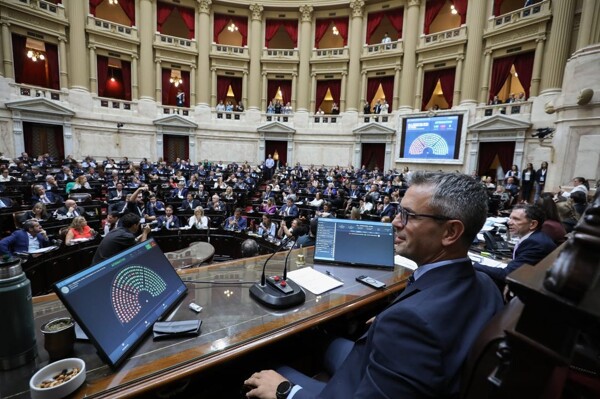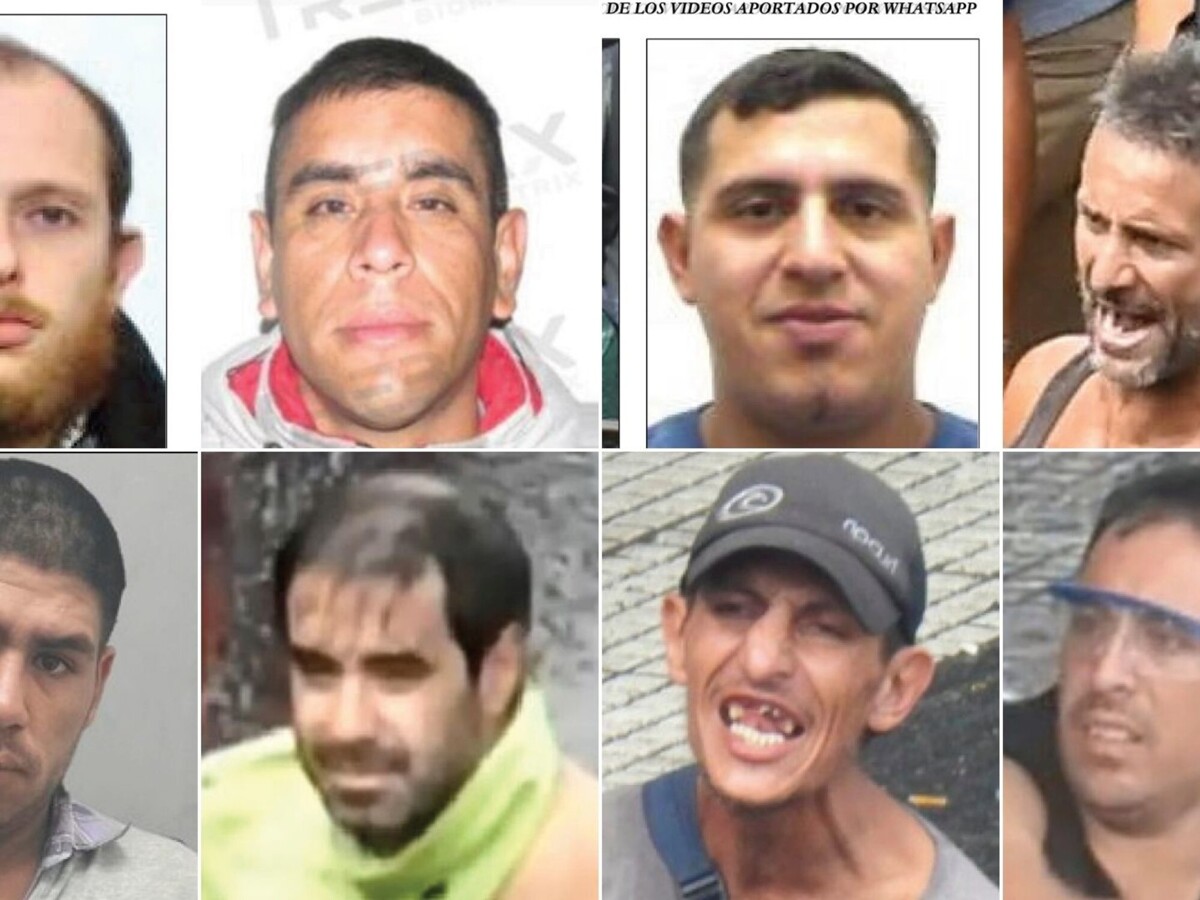
With the case now incorporated into the judicial circuit, the government is trying to accelerate arrests and identify new responsibilities, in a case that is set to escalate as the labor debate continues to dominate the national agenda.
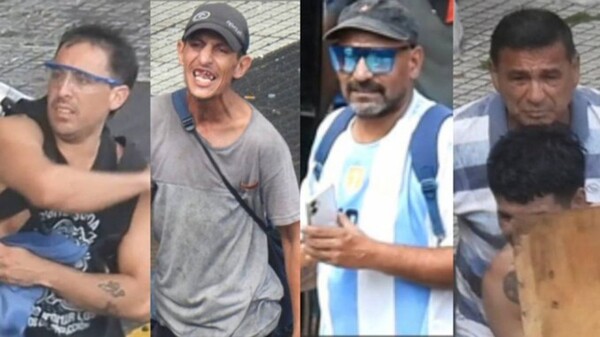
The national government reactivated its political and judicial agenda this Thursday following serious incidents during the march against the labor reform near the Congress, and released the identities of four protesters identified as the main protagonists of the most violent events, including the preparation and launch of Molotov cocktails and attacks with stones and blunt objects against police officers. We have identified them, we are going to go after them, and we are going to put them in prison. Impunity is over.
In parallel, the Ministry of Security advanced with a criminal complaint that toughens the classification of the events and seeks to argue that it was not merely a street disorder, but an attack directed against the functioning of the institutions. The complaint was filed by the director of Norms and Legislation of the ministry, Manuel Franco, who requested arrests and the application of penalties 'proportional to the severity' of the episodes.
The government identified 17 people involved in the incidents of the march against the labor reform, where Molotov cocktails were thrown at the police. The Minister of Security, Alejandra Monteoliva, announced that they are not yet under arrest, but the Justice system will begin work on their capture. The destruction of public goods, including sidewalks and urban elements, was also reported, with the aim of obtaining projectiles to attack the deployed forces.
Politically, the ruling party seeks to capitalize on the hardening of the security approach to sustain that the protest derived from an operation planned by violent groups, while critical sectors denounce that social conflict is being used to criminalize protest.